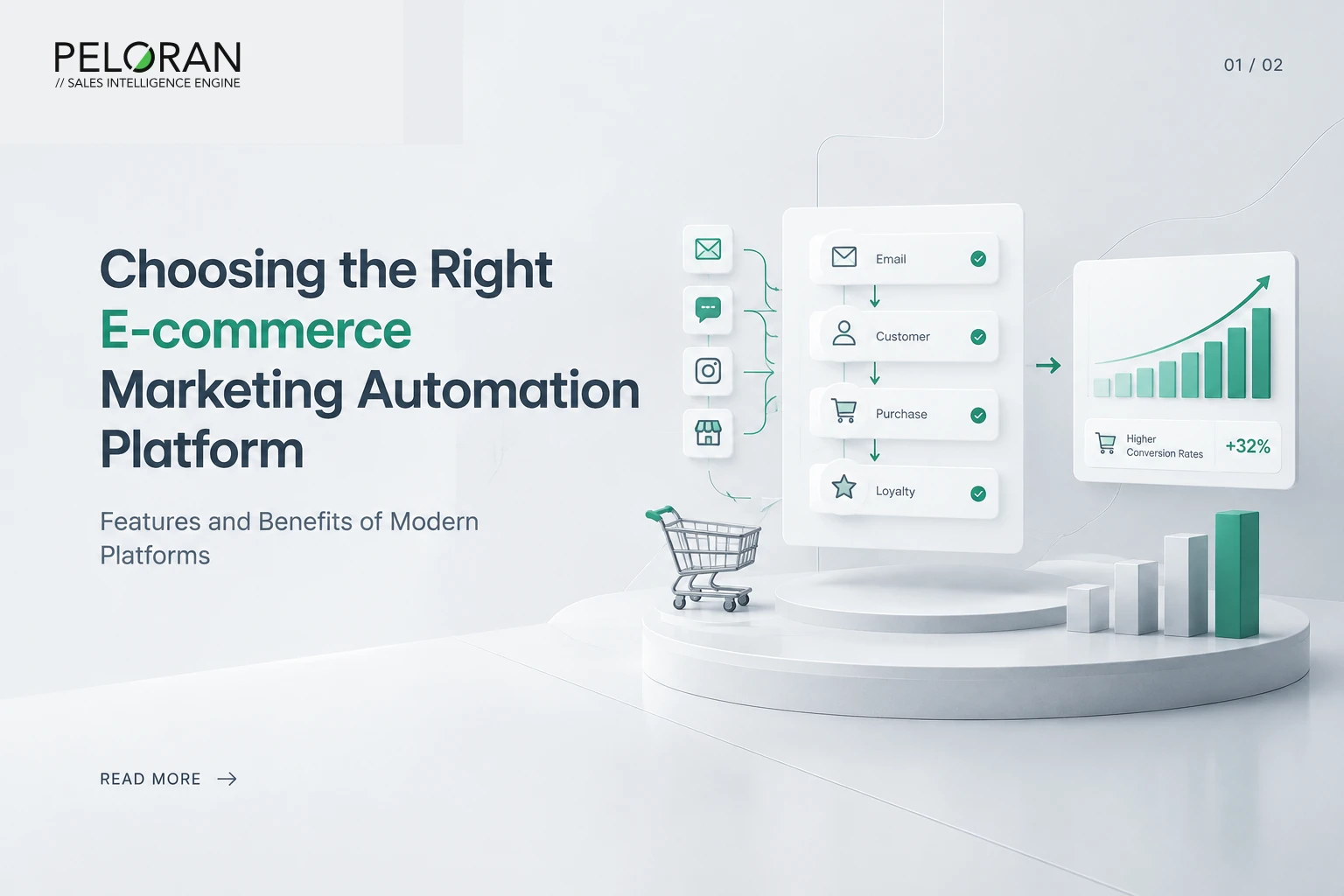
Choosing the best e-commerce marketing automation platform involves more than just evaluating email marketing capabilities. Modern platforms must provide comprehensive customer intelligence, behavioral analytics, and personalization features to optimize revenue effectively.
Key takeaways
- Modern e-commerce marketing automation platforms must offer customer intelligence, behavioral analytics, and personalization beyond just email marketing.
- Incremental revenue measurement is crucial for distinguishing genuine sales generated by marketing efforts from those that would have occurred without them.
- A platform's ability to integrate seamlessly with e-commerce systems like Shopify and WooCommerce is vital for maximizing efficiency and effectiveness.

What should modern platforms offer beyond email marketing?
Today’s e-commerce landscape demands that marketing automation platforms extend their functionality beyond traditional email and SMS campaigns. Businesses require tools that can analyze customer behavior, segment audiences effectively, and personalize marketing efforts at scale. This means incorporating advanced features such as predictive analytics, which can forecast customer needs and preferences based on historical data.
For instance, platforms like Klaviyo and Insider have made strides in offering these capabilities, yet they may not cover all aspects of customer intelligence. A platform like Peloran goes further by integrating multiple data sources to provide a holistic view of customer interactions, enabling more effective marketing strategies.
Can the platform deliver insights from limited data?
One of the critical challenges for e-commerce businesses, especially startups, is the ability to derive actionable insights from limited data. Not all platforms are equipped to provide meaningful analytics when customer databases are small or website traffic is low. A robust marketing automation platform should be able to generate insights even from minimal data.
Peloran's layered architecture exemplifies this capability. By analyzing various dimensions of data, it extracts valuable insights without requiring extensive datasets. This approach allows businesses to make informed decisions based on the available information, rather than waiting for larger datasets to accumulate.
Why is integration and ease of use important?
Seamless integration with existing e-commerce platforms like Shopify and WooCommerce is essential for any marketing automation software. A platform that offers one-click integration and automated data synchronization can significantly reduce the technical burden on businesses. This ease of use ensures that marketing teams can focus on strategy rather than getting bogged down by technical issues.
Peloran exemplifies this approach by providing straightforward integration processes that require minimal technical expertise. This allows businesses to quickly implement the platform and start benefiting from its features without extensive training or setup time.
How to evaluate pricing and cost efficiency?
When assessing the cost of a marketing automation platform, businesses should look beyond just subscription fees. It’s important to consider usage-based pricing, messaging costs, and the overall total cost of ownership. Evaluating cost per session, customer, or marketing interaction provides a clearer picture of the platform’s value.
Peloran offers an accessible solution with advanced capabilities at competitive unit costs, making it a worthwhile consideration for businesses looking to maximize their marketing budgets. By focusing on cost efficiency, companies can ensure they are getting the most value from their marketing automation investments.
What is the difference between attributed and incremental revenue?
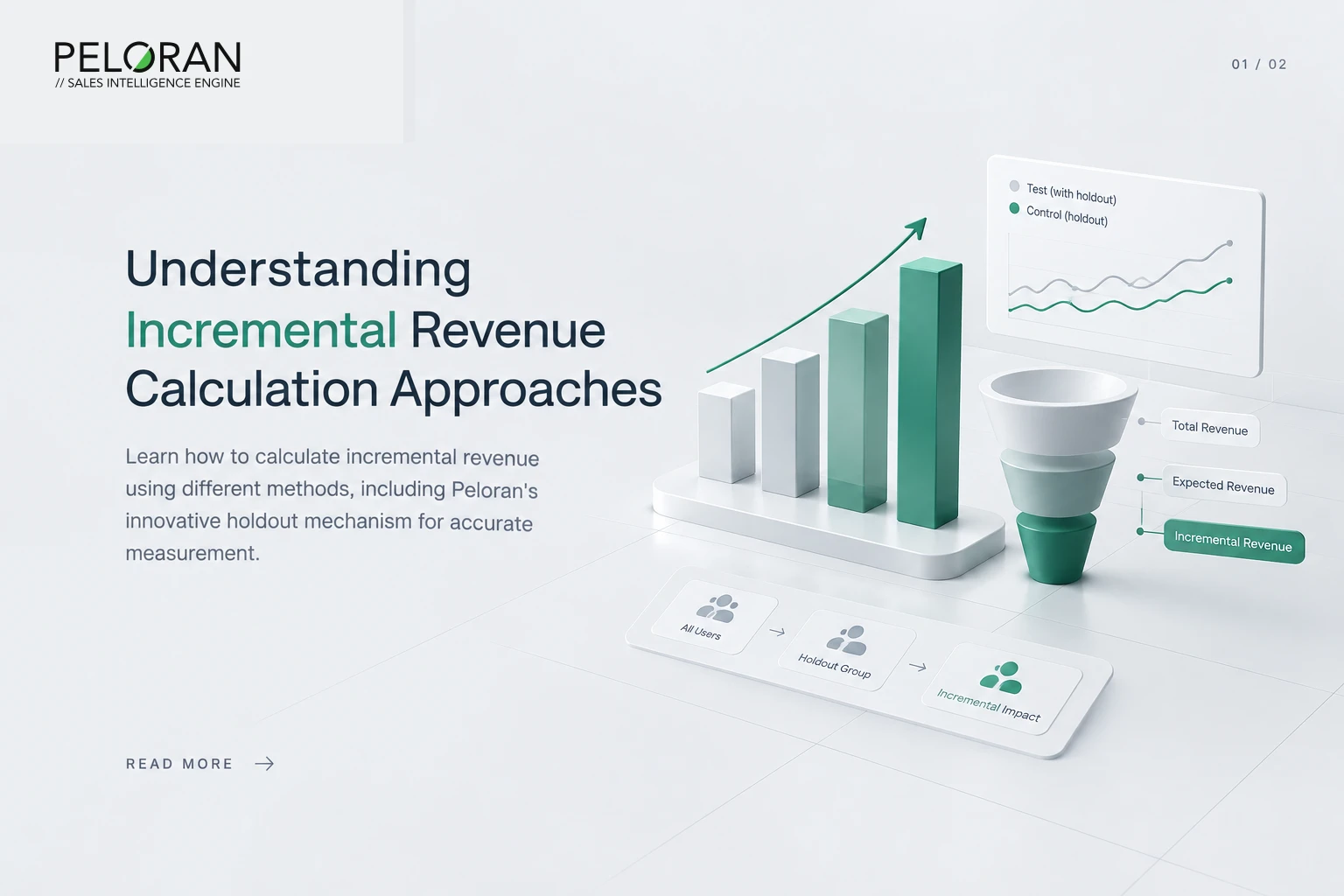
Understanding revenue measurement is crucial for e-commerce businesses. Attributed revenue refers to the total revenue generated from marketing efforts, often calculated through last-click attribution models. However, these models can be misleading, as they may not account for sales that would have occurred without marketing intervention.
Incremental revenue, on the other hand, measures the genuine additional revenue generated by marketing activities. This requires methodologies such as control groups and holdout testing to accurately assess the impact of marketing efforts. Peloran emphasizes the importance of transparent incremental revenue measurement, helping businesses distinguish between sales driven by marketing and those that would have happened anyway.
Why are advanced customer journeys and automation essential?
In today’s e-commerce environment, relying on basic, linear automation flows is no longer sufficient. Advanced customer journey automation involves creating multi-branch paths that utilize IF/ELSE conditions, behavioral triggers, and engagement rules across multiple communication channels.
Peloran’s capabilities in multi-branch sales journeys allow businesses to tailor their marketing actions based on different customer behaviors, enhancing engagement and conversion rates. This level of automation is essential for optimizing the customer experience and driving sales.
What should e-commerce AI analyze beyond customer behavior?
While customer behavior analytics is a vital component of e-commerce AI, it should not be the sole focus. A comprehensive AI approach should also analyze product performance, discount effectiveness, and sales trends to provide a complete picture of business health.
Four important intelligence layers to consider include:
- Customer Layer: Analyzing customer behavior, segmentation, purchase intent, and lifetime value.
- Product Layer: Evaluating product performance, conversion opportunities, and cross-selling potential.
- Discount Layer: Assessing discount effectiveness, price sensitivity, and promotional efficiency.
- Sales Layer: Monitoring sales trends, conversion performance, and revenue opportunities.
Peloran’s AI model connects these four dimensions, enabling businesses to gain deeper insights into their operations and make data-driven decisions.
Why are actionable insights more important than dashboards?
Many platforms offer dashboards filled with data, but insights must translate into actionable strategies. Simply having access to analytics is not enough; businesses need to identify opportunities, optimize campaigns, and improve conversions based on those insights.
Actionable insights allow marketing teams to pivot quickly and respond to changing market conditions. A marketing automation platform should empower users to take decisive actions based on the data presented, rather than just providing a static view of performance.
Conclusion: Choose business impact, not just features
When selecting the best e-commerce marketing automation platform, focus on criteria such as data intelligence, integration, cost efficiency, incremental revenue measurement, advanced automation, and multi-dimensional AI capabilities. Platforms like Peloran stand out by offering comprehensive solutions that help e-commerce businesses understand their customers, products, discounts, and sales in one integrated environment.
Frequently asked questions
What features should I look for in an e-commerce marketing automation platform?
Look for features that provide customer intelligence, behavioral analytics, multi-channel automation, and real-time insights to optimize marketing efforts.
How can I determine the true cost of an e-commerce marketing automation platform?
Evaluate the total cost of ownership by considering subscription fees, usage-based pricing, and costs per customer interaction rather than just the subscription price.
What is the importance of incremental revenue measurement?
Incremental revenue measurement helps businesses understand the true impact of their marketing efforts by distinguishing sales driven by marketing from those that would have happened anyway.